Locating Your Herd: Equine-Facilitated Coaching for Link and Belonging
I remember the very first time I enjoyed a customer's shoulders drop next to a consistent bay gelding called Finn. She had actually arrived tight as a drum, breath captured up high in her upper body, and stood beside the field insisting she did not "do steeds." Finn stood at a range, grazing on a hay internet. Ten minutes later on, through a few straightforward breath cues and a soft technique, they were walking side-by-side. No halter yet, no stress, simply her visibility and his acceptance. She whispered afterward, almost shocked, "I really felt seen." That is the heart of equine-facilitated coaching, the method equines seem to welcome us back right into our bodies, our integrity, and our sense of belonging.
Why equines aid us find connection
Horses reviewed the globe through experience, stress, pose, and purpose. They react to the energy we bring, not the story we tell. A steed does not care about your task title, your diagnosis, or your armor of creative words. It cares about whether you are systematic, based, and considerate of area. When a thousand-pound prey pet recognizes you, matches your breathing, or steps toward you, the responses lands in a much deeper location than language.
That is one reason equine-facilitated mentoring commonly helps individuals who feel detached from themselves or from others. The arena becomes a place where harmony matters more than performance. If your internal state does not match your outer signals, a horse will certainly show it with movement. If your body softens, your breath reduces, and your intent ends up being clear, the horse will typically soften with you. The result is not just insight, however a felt change. For several, specifically those who have tried talk-based assistances without complete relief, experiential learning with horses introduces a brand-new doorway.
Sorting the area: coaching, activities, and therapy
The equine area includes several approaches, and the hodgepodge can be complex. Below is exactly how I describe it to family members, clinicians, and companies making a decision where to start:
-
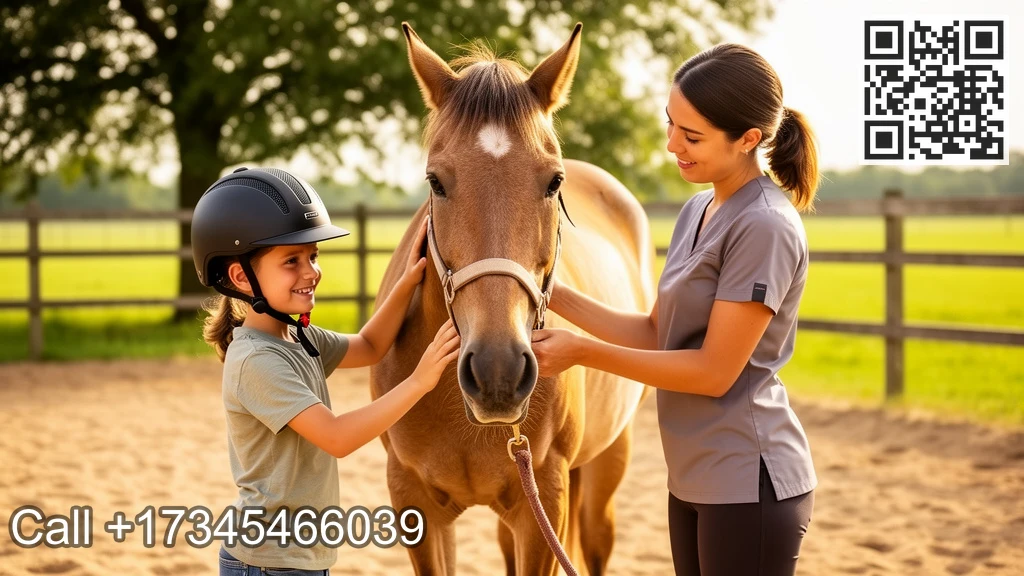
Therapeutic horsemanship describes a broad classification that includes installed and unmounted activities shown by licensed riding instructors who adapt the setting to sustain riders with diverse needs. It frequently builds balance, control, communication, and confidence. Lots of facilities consist of equine-assisted tasks that advertise leisure skills, social connection, and finding out without necessarily targeting medical diagnoses.
-
Equine-assisted services is an umbrella term some companies utilize to record the wide variety of assistances offered with steeds. Programs might include riding lessons, ground-based discovering, professionals sustain, and wellness workshops.
-
Equine-assisted training, additionally called equine-facilitated coaching, focuses on individual or professional development making use of ground-based workouts. The coach overviews representation and ability building around objectives such as limits, leadership, interaction, and durability. There is no diagnosis or treatment strategy, and the process complements, rather than changes, therapy.
-
Clinical equine therapy engages licensed psychological wellness specialists or physical therapists that make use of the equine as component of a therapeutic strategy. You might see this for injury treatment, anxiety support with equines, or sensory integration work within an autism equine finding out program.
Centers commonly blend offerings. You might see equine-facilitated health groups on weekend breaks, ADHD equine learning assistance after school, and group building with horses for neighborhood companies. The trick is to match the technique to the objective. If you desire leadership method and symbolized confidence, mentoring fits. If you need to deal with PTSD or an eating condition, seek psychological health and wellness professionals who integrate equines right into therapy.
What equine-facilitated training actually looks like
A good mentoring session is not a pony adventure. No helmets called for unless the program includes mounted time, and much of the work occurs on the ground. I usually start in a quiet room, present the equine at liberty or on a loose lead, and co-create a plan with the client. Objectives can be as simple as learning to establish and hold a limit line, or as complicated as bring back trust after office burnout.
In technique, the sector becomes a living lab. If you hurry, the horse drifts away. If you focus on your own and ask plainly, the steed transforms and advance. There is nobody best means. Some customers lead an equine through obstacles to discover exactly how they take care of pressure. Others stall and find out to tolerate closeness without collapsing their own requirements. The learning often tends to land because the body takes part. You are not https://dallasnqzv705.wpsuo.com/nature-s-class-experiential-discovering-with-equines-forever-abilities simply speaking about borders, you are practicing one with a responsive partner.
An initially session, step by step
- Arrive and work out, with a brief safety and security brief that consists of where to stand, how to touch, and when to pause.
- Grounding practice, such as box breathing or a sensory check-in, to aid your nervous system change into a receptive state.
- Meet the equine at a distance, observing stance and signals, then select just how to approach.
- Engage in a straightforward task, like asking the horse to walk with you at a matched pace or to quit at a cone while you hold a border rope.
- Debrief with your coach, observing where the job mirrored daily patterns, and established one small method to reclaim right into your week.
That arc can unfold in numerous means. If anxiousness flares, we slow down. If a client is kinetic, we may establish a movement-rich task that includes weaving poles, supporting with clear hand signals, and resetting when focus leaps. The equine's comments keeps us honest.
What the steeds educate our bodies
Clients frequently ask why this functions when they have currently read the books and attempted to think their way to transform. Equines show via somatic networks. If you are holding your breath without noticing, an equine leaning away from you will certainly make that pattern evident. If your feet hardly touch the ground after years in high-alert setting, you will certainly find it tough to lead a steed with clarity till you root on your own. That is somatic recovery with horses, the method body discovering and psychological understanding braid together.
There is additionally the issue of co-regulation. Many people locate their heart price and muscle tone adjustment around tranquil equines. The barn offers rhythm, from hooves on dust to audible breath. Brushing welcomes bilateral movement and a gentle stress touch that can downshift a jangly nervous system. While not a magic bullet, this setting provides a scaffold that speak alone can not. I have seen clients tracking stress and anxiety go from a 8 to a 4 in twenty mins, after that hold that modification while navigating a barrier training course with their equine partner. It is not magic, just a clear feedback loop.
Who involves the arena
I deal with a vast arc of people. Some look for equine-facilitated health after a life change, like a divorce or profession change. Others followed burnout or an innovative block. Parents bring children for ADHD equine finding out support when institution becomes a day-to-day battle. Individuals with sensory level of sensitivities discover an alternative therapy for sensory challenges because interior centers really feel too intense and tight. Autistic teenagers sign up with an autism equine learning program developed around predictability and selection, not requiring eye get in touch with or little talk. Grownups with panic signs come for anxiousness assistance with horses to practice breath and limit skills in a setting that really feels safe sufficient yet real enough to stretch.
For groups, group structure with equines surface areas characteristics faster than a boardroom can. I have actually seen a group understand that 3 of them habitually over-function, one vanishes under stress and anxiety, and none of them asks cleanly for help. The horse will not move with the obstacle till the group calibrates its roles. That lesson returns to the workplace on Monday morning.
Safety, values, and sensible edges
An accountable program puts safety initially, for both humans and equines. You ought to always see a skilled equine trainer or trainer existing, even in pure coaching sessions. Facilities ought to have clear guidelines around helmets if riding is entailed, emergency situation procedures, and steed well-being. The equines themselves require normal rest, turnout, and the right to claim no. If an equine pins ears, actions away, or looks tense, your facilitator must respond quickly and readjust the plan.
Not every condition is a suitable for every style. If somebody has a history of physical violence toward pets, I will not begin in the sector. If a customer has uncontrolled seizures or remains in severe psychosis, I describe a scientific team. People with severe allergies might need a changed plan that restricts grooming or utilizes an outside room with masks. The moral line is this: match solutions to the individual, not the other way around, and do not press the horse or the human into situations they can not browse safely.
A couple of tales from the rail
A forty-year-old item manager involved rebuild self-confidence after a hazardous task. Her words were steady, however her body concealed bracing in the shoulders and a habit of excusing every little thing. With a person draft cross, we exercised strolling with purpose and stopping without reducing. By week four, she could ask for space with one silent breath and a hand raised, then preserve that border for a full min while the equine checked gently. She reported using the exact same gesture in tense conferences, minus the equine, to great effect.
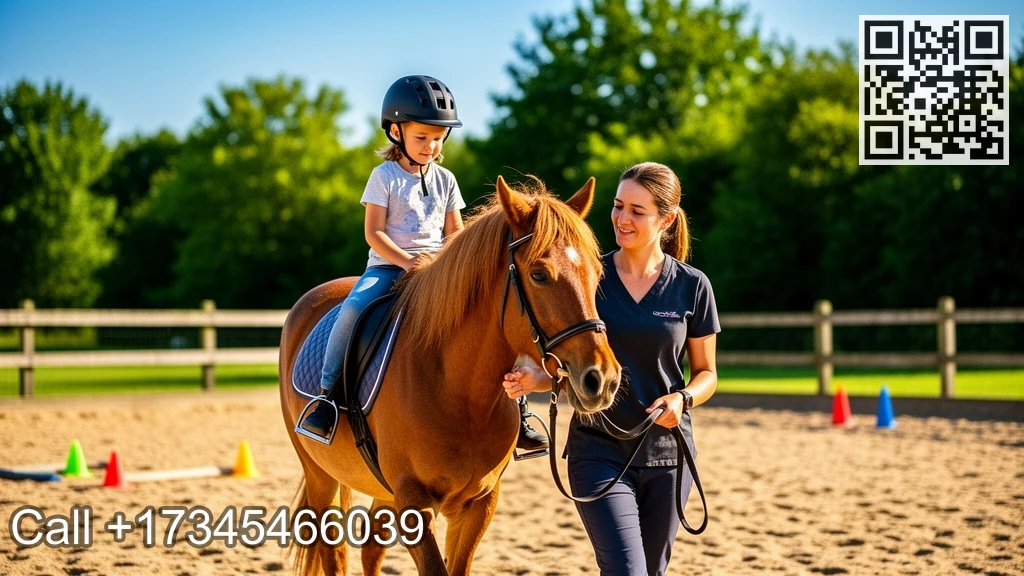
A fourteen-year-old with ADHD got here with a knapsack loaded with fidget tools and a background of apprehensions. He enjoyed rate and disliked waiting. We established a barrier program that compensated micro-pauses. The guideline, stated simply, was that the horse can stagnate ahead until the handler's feet were still and his eyes had checked 3 factors ahead. The first shot appeared like a tangle. By the 5th, his feet planted, breath boiled down, and the steed walked efficiently via. He timed his own runs and shaved secs not by rushing, yet by pausing with function. His mother later on observed he made use of the same approach for research, inspecting steps out loud prior to starting.
A moms and dad of a kid with autism came since appointments felt like a rotating door of motivates and stickers. In the sector, we provided her little girl options: which brush to utilize, whether to approach from the shoulder or the rump, when to step away. The child enjoyed the predictability of grooming strokes and the weight of leaning gently against the equine's shoulder. After several sessions, transitions in your home boosted when the family members included a short "barn regimen," also without an equine, that imitated grooming's rhythm prior to bedtime.
How teams learn with horses
Horses are extremely fair concerning leadership. They react to quality, consistency, and mutual regard. A team-building session could consist of relocating a loosened steed through a set of cones without touching the pet, only by collaborating position, area, and purpose. This reveals who speaks out, that pays attention, where conflict evasion lives, and how the group deals with uncertainty. The knowing is sticky since it is felt. Once a team experiences that the horse moves best when the quiet analyst maps the course and the extrovert regulates quantity, it re-weights roles back in the workplace.
I prefer small groups for team building, normally 6 to twelve participants, with at least two equines and two facilitators. That ratio offers area for observation and method. Debriefs matter greater than the challenge. If the group misses out on the knowing and just celebrates "we did it," we have actually shed the gold.
Preparing for your very first visit
The functionalities are basic, though not always apparent to urban customers. Wear closed-toe footwear and layers you do not mind cleaning off. Leave hanging scarves and noisy fashion jewelry in the house. Plan for the weather condition. Bring a water bottle, and if you are scent-sensitive, let the personnel recognize so they can select a quieter grooming location. If you fidget, say so. Excellent facilitators value honesty more than bravado.
Shorter sessions of 45 to 60 minutes are usually extra efficient than long marathons. Your nerves can soak up only so much novelty at the same time. A collection of 5 to eight meetings, spaced once a week or every various other week, tends to generate obvious shifts. You will recognize the work is landing when the modifications you pity the horse turn up in tough conversations or early morning routines.
A straightforward checklist to establish on your own up for success
- Comfortable, sturdy shoes and weather-ready apparel you do not mind getting dusty.
- A clear, moderate goal for the day, like "method stating no" or "observe my breath under anxiety."
- Willingness to stop briefly and name what you are really feeling, also if it is messy.
- A strategy to incorporate one little practice between sessions, such as 3 mins of based standing prior to phone calls.
- Communication with your other service providers if you are additionally in treatment or OT, so sustains align.
Measuring progression without getting rigid
People request metrics. It is reasonable to want proof that time and money are well spent. Some facilities make use of formal devices, others stay casual. I urge a hybrid. Prior to you start, select 2 or 3 signs that would certainly tell you life is getting less complicated: less shutdowns at the office, much better sleep start, more comfortable eye contact, fewer college crises. We additionally consider body markers, like breath rate during an obstacle or the time it requires to clear up from agitation.
Quantify where you can. If panic spikes daily, track frequency and period each week you attend. If your team's communication breaks seven times in a two-hour conference, check that number again a month after your sector day. Keep the actions local and sincere. Equines help most when the emphasis stays on feature, not on thrilling a spreadsheet.
Working with youngsters and sensory differences
For children with sensory handling distinctions, the barn environment can be a variety. Sounds resemble. Hay can impulse. Natural leather has a solid odor. Those elements can overwhelm, or they can act as direct exposure with control. Good programs change the sensory tons. This could appear like utilizing silent hours, brushing in a corner with natural light, or beginning with discuss a sheepskin pad prior to moving to a curry comb. For some youngsters, placed time at the walk, with a sidewalker and a leader, offers deep stress and vestibular input that aids policy. For others, the tranquility of standing with a horse and matching breath works better. Alternative therapy for sensory obstacles must never be a one-size script.
ADHD equine finding out assistance does well when it channels motion and benefits focus, not suppression. Build tasks that have start lines, finish lines, and an opportunity to reset without embarassment. Provide instant, concrete feedback. Allow the steed's rhythms do some of the training. Youngsters find out quickly when the lesson is embodied and the risks feel actual however kind.
Credentials, inquiries, and choosing a program
Vet your service providers. Ask what qualifications or licenses they hold. Instructors might lug qualifications in restorative horsemanship from companies that train adaptive riding professionals. Equine experts might be experienced trainers with years of equine treatment and habits. Instructors may have ICF or various other coaching certifications plus extra research study in equine-facilitated training. If you are seeking professional job, confirm that a licensed mental wellness professional or occupational therapist is really included, not just sought advice from once.
Walk the home. Look for tidy water buckets, safe fencing, and equines with intense eyes and free activity. Ask how many sessions each equine does each day. The solution must be modest, with rest and turnout constructed in. Ask about safety and security procedures, emergency strategies, and just how they match equines to customers. A thoughtful answer signals maturity.
Listen to your intestine during a trial check out. If you feel hurried, unheard, or hazardous, try another program. The right fit issues greater than the ideal brand name name.
Cost, gain access to, and equity
Prices vary. In my area, personal coaching sessions with equines run from 100 to 250 dollars for an hour, with team prices reduced per person. Professional therapy incorporated with steeds can cost more, and insurance policy coverage is mixed. Some facilities provide scholarships, sliding ranges, or area gives. Veterans groups and nonprofits frequently underwrite services for particular populaces. Ask. If expense is an obstacle, consider little group styles or brief, concentrated series. Quality beats amount. Four well-timed sessions can shift a pattern if you practice in between them.
Access additionally includes transportation and mobility. If a client makes use of a wheelchair or pedestrian, ground-based work at a well-designed center can still be rich, making use of mounting ramps for distance, taller grooming blocks, or adjusted lead job. Inquire about accessibility choices in advance of time.
When it is not the right path
Horses are not for everybody. A deep anxiety of big pets that does not soften with time can make the work a lot more about survival than discovering. Allergies often rule the barn out. Some people like water or music as their primary corrective practice. That is great. The concept underneath equine-facilitated coaching is relational, somatic knowing with responsive responses. You can find that with pets in canicross, with rock in a climbing up fitness center, or with trees on a trail. If you try steeds and it does not click, recognize that and select another course toward belonging.
Bringing the discovering home
The best results come when you equate field insights into day-to-day routines. If you discovered that planting your feet and taking a breath out invited Finn to tip towards you, test that posture prior to a hard conversation with your young adult. If your group discovered that silence helped the horse pick, construct a five-second pause prior to answering concerns in meetings. Little techniques, repeated, rewire patterns.
I had a customer who taped a photo of her equine companion beside her computer system monitor with one phrase under it: match your inside to your outside. On days when her calendar swelled and her jaw started to ache, she gazed left, stood, felt the flooring, and allow her breath drop an inch. That thirty-second reset transformed the top quality of her following discussion. Over time, it changed her quality of life.
Finding your herd
Belonging is not only regarding other individuals. It is likewise about belonging to your very own body and inner knowing. Steeds tend to meet us there, in the gap in between exactly how we think we are and how we in fact are. When a pet that could run away determines to stay, when it transforms its ear toward your voice and strolls with you, a thread pulls tight in between nerve systems. That string can advise you just how to be with on your own, after that with others.
Whether you are a moms and dad looking for a steadier rhythm at home, a leader desiring cleaner boundaries, or a teen who requires a room where words are optional, equine-assisted training provides a grounded method onward. It lives within the broader landscape of equine-assisted services, alongside restorative horsemanship, equine-assisted activities, and clinical treatments. The right match depends upon your goals. Ask questions, browse through barns, trust your sense of fit, and choose the program that values both human and horse.
I still think about that first client with Finn. She showed up particular that connection had actually unclothed reach. She entrusted hay on her sleeve and a peaceful smile. The sector did not fix her life. It did something simpler and extra extensive. It reminded her that belonging is a method, discovered detailed, breath by breath, with an educator that talks in unguis and silence and presence.
Happy Hooves Wellness
9177 Gross Rd, Dexter, MI 48130
+17345466039
https://www.hhooves.com/