Ranch to Heart: Belonging Based Coaching in Area
The very first time I saw a team of complete strangers get to the farm, shoulders high and eyes down, I knew we would start with breath, not chat. The steeds were already grazing in the reduced pasture, flicking their ears at the wind. Within minutes of tipping through eviction, individuals searched for. Horses do that to us. They request for existence without words, and they do it kindly. What happens following is what I call belonging based coaching, a method helpful people find solidity inside themselves while standing in real partnership with pets, land, and each other.
Belonging sounds soft until you recognize how difficult it is to feel like you truly belong in your very own body, on a group, or with your family members when tension, injury, or an active mind has been running the program. On the farm, we develop that ability step by concrete action. We do it through healing horsemanship and equine-assisted solutions that put partnership at the facility, skills in actual contexts, and area around the edges for security. Some individuals come for equine-assisted mentoring around management or interaction. Others arrive looking for equine-facilitated health, particularly when talk-only approaches have delayed. We likewise run experiential knowing with steeds for schools and workplaces, and we team up on group building with equines for companies that would rather trade one more boardroom for a set of curious eyes and 4 consistent hooves.
What it indicates to instructor for belonging
Coaching for belonging suggests the goal is not just insight, it is integration. People learn what they really feel, what they need, and just how to align their actions with their worths, after that they attempt it in a living system where comments is sincere. Steeds straighten to clearness and authenticity. They disengage from combined signals, and they soften when we soften. That is the coaching arc in miniature.
I keep 2 questions in front of me during sessions. Initially, what assists this person feel secure enough to appear truthfully. Second, what makes it most likely they will practice this ability in your home, job, or institution. We map sessions to every day life. If a parent is discovering to establish limits without shame, we exercise routing a steed in a round pen with limits that are clear and kind. If a supervisor struggles to delegate, we set up a short course with cones and ask a little team to obtain a steed from point A to point B without touching the rope, which compels nonverbal coordination and trust. The horse increases the lesson by showing the group's real coherence, not their mentioned plan.
Belonging additionally suggests widening the circle. Some days the most recovery hour gets on the barn aisle, brushing a horse together with a retired next-door neighbor that knows every knot in the hay net. Shared job, light conversation, the rhythm of a soft brush on a thick winter months coat, these are not side tasks. They are the soil that feeds change.
Why horses
Horses are prey pets that endure by attuning to their environment. They review micro-movements and physiology in a manner humans typically bypass. That sensitivity is not mystical, it is practiced. When someone with anxiousness walks up, breath high and shallow, a steed may raise its head or step back. If that exact same person shifts to a slower exhale, softens their eyes, and grounds through their feet, the steed typically mirrors that regulation by decreasing its head, licking and eating, or shutting its eyes. The psychophysiological feedback is prompt and nonjudgmental.
Their size matters as well. You can not phony a sensation of control next to a 1,000 extra pound partner. You need to discover it, then communicate it with clarity and respect. That fact aids people alter their assertiveness. A teenager that has actually been called defiant can find out to declare room without aggression. A peaceful adult can trying out quantity and direction and recognize calm leadership does not mean tiny leadership.
I rely upon steeds due to the fact that they delicately collapse the range in between what we assume we are doing and what we are actually doing. They brighten strengths we ignore and radiate light on behaviors that require focus. And they do it in a field that scents like turf, not a fluorescent room that smells like stress.
An early morning on the farm
By 8:30 a.m., the herd has actually submitted below the top field to the catch pen. We welcome each horse, halter those set up for sessions, and permit others to wander back to graze. A volunteer spreads hay in slow feeders, a tiny detail that establishes a calm tone. Customers drip in by the hour. We maintain the timetable sizable, since rushing damages attunement.
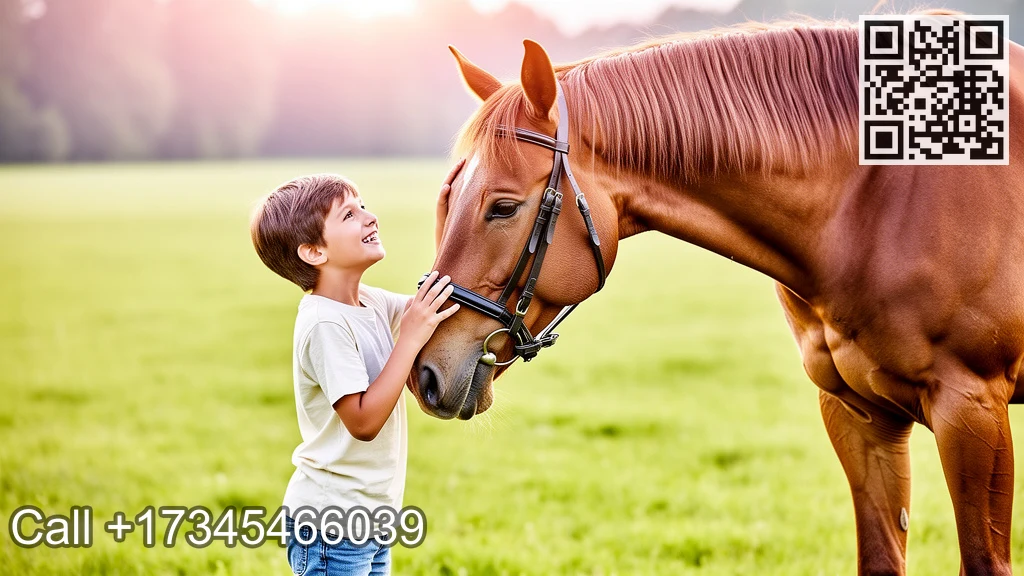
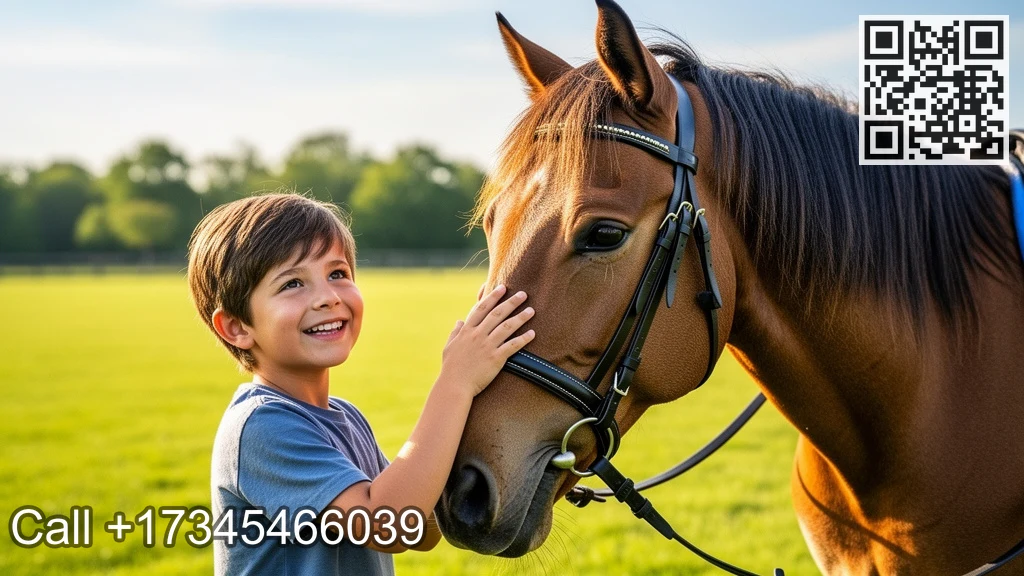
One recent morning, I collaborated with a 12-year-old who has ADHD. He battles most with transitions and impulse control at institution, where a hold-up in guidelines develops into a burst of movement that gets him in difficulty. We set a 20-minute task: lead our Haflinger mare via a pattern, time out at cones, then back three actions. I provided him a clicker to mark his own stops prior to asking her to stop. The pairing changed everything. His ideal session took place when he practiced a half-second time out, clicked, then asked. The mare mirrored him cleanly. He ended up the pattern with a grin that got to both ears. That is ADHD equine discovering assistance at work: realtime feedback, a physical support for timing, and a companion who does not take habits personally.
Right after, an adult client came for stress and anxiety support with horses. We stayed outside the pen. She stood with one foot on the rail, one on the ground, and tracked her breath while naming what she saw in the pasture. Her homework was to exercise the very same position on her front action twice a day. A month later she said this was the very first time in years she could feel her heartbeat sluggish without medications. The cattle ranch did not heal her stress and anxiety. It provided her a repeatable, somatic doorway to regulation.
What a session looks like
Every program runs in different ways, yet this is the core flow I use for equine-assisted tasks and equine-facilitated coaching. It is not stiff. We adjust for age, objectives, season, and energy.
- Arrival and orientation. We stroll the space, testimonial authorization and hints, validate boundaries, and select a steed with each other based upon the day's aims.
- Groundwork first. We begin on the ground unless there is a solid therapeutic reason to ride. Skills include leading, generating hindquarters, support, and standing in shared stillness.
- Focused practice. We include a straightforward challenge that fits the mentoring objective, such as routing via cones, liberty work in a tiny pen, or a grooming series with a details communication cue.
- Reflect and web link. We debrief with concrete language. What did you observe in your body. What did the steed do when you exhaled. Where does this show up in your home or work.
- Close and treatment. We close with three excellent strokes of a soft brush, offer the horse a moment to release, and return tack neatly. Treatment rituals issue. They instruct completion.
On team days, this flow ranges. Teams revolve through terminals, and we maintain tasks short so momentum remains high. In group structure with equines, I usually designate a single person as the onlooker that can not speak, only document. Their notes become gold when we review whose voice filled up the space and whose did not.
Ethics, safety, and scope
Good ranches do not treat equines as tools or individuals as jobs. They hold a strong safety and security culture and a clear range of technique. Our method mixes healing horsemanship with psychological health and wellness methods, however we are not a hospital. When clients require medical oversight, we coordinate with licensed companies. When the work is coaching instead of treatment, we note that plainly and stay clear of drifting right into locations ideal handled by a clinician.
We display for red flags. Fresh head injuries, unrestrained seizures, and acute psychosis are not suitable for this setup. We check for allergic reactions, history with pets, and material use that might hinder security. We additionally ask about what aids somebody relax and what does not, then we construct from there.
Horses need care also. Sessions must not overload a sensitive gelding or place a green mare in a management duty she is not ready for. We turn equines, provide downtime, track their weight and hooves, and listen to our wranglers when they say a horse is tight or irritable. That is not superstition, it is data from people who check out the herd daily.
Somatic understanding, not just talk
I love language, but bodies learn best by doing. Somatic healing with horses turns up in the tiny moments. A cyclist notices her jaw and stubborn belly soften when she matches the steed's stroll. A male with a trauma history feels his back extend when he locates a clear indeed in his lead rope instead of a pulled command. These are not one-off miracles. They are repetitions that build new patterns. Research study on heart price variability and co-regulation sustains what we see at the rail: when a person resolves, an equine often clears up, and the relationship itself comes to be a regulator.
We name sensations and motions, not simply ideas. We search for what is too much and what is not enough. We throttle strength by altering range from the horse, changing jobs, or relocating from the open field to a smaller room. Somatic skills travel. A client that discovers to pause and feel her feet prior to asking a steed to move can make use of the same cue prior to going into a tough meeting.
Neurodiversity and sensory needs
People on the range and those with sensory processing distinctions typically prosper on farms, offered we construct in predictability and option. Our autism equine learning program keeps the initial browse through short, 30 to 45 minutes, and highlights a clear course: parking to gateway to grooming bay to field, with aesthetic supports. Some clients like to begin fifteen feet from the herd and work their way closer over weeks. We never ever force touch. Touch tax obligations some nerves. Plenty of finding out takes place just by viewing an equine breathe and identifying soft eyes, degree head, or swishing tail.
Alternative treatment for sensory obstacles does not suggest abandoning evidence. It indicates grounding techniques in what we know concerning guideline. As an example, we might use heavier brushes and a consistent brushing rhythm to give proprioceptive input, then move to leading in a quiet edge so there is one noise each time. Many parents https://zaneblnr725.publishlane.com/posts/nature-s-class-experiential-knowing-with-steeds-forever-abilities report that shifts home go smoother after sessions when we end with a predictable regimen, like returning a hoof pick to the same hook and swing goodbye at the same fencepost. Little routines lug a great deal of weight for sensory systems.
ADHD equine finding out assistance looks different. We lean into movement and timed jobs, like a 90-second emphasis drill with a clear start and stop. We reduced verbal directions in half and demonstrate initially. We utilize all-natural repercussions, not reproaching. If a customer races ahead, the horse delays. If a client reduces and takes a breath, the equine typically follows. The lesson creates itself.
Anxiety, sorrow, and the long tail of stress
For numerous adults, stress and anxiety seems like living one step ahead of impact. Equines insist we land where our feet are. Procedure for stress and anxiety assistance with equines frequently start outside the fence and relocate as someone's system enables. We combine breath work with positioning. Seek to the hills. Notice that dark bay with the white snip. Feel your left heel. Steeds are experts at titration. When you flood your system, they go back. When you pendulate in between stress and simplicity, they hang in.
Grief requests for time. I have actually collaborated with clients months after a loss that could not sob before family members yet located rips eloping while currying a horse that stood still like an anchor. The cheek pushed to a cozy shoulder is not a treatment. It is an area to rest while your body does what it recognizes just how to do.
Leadership and groups that actually listen
Workshops on interaction land in a different way when your associate is an equine. In equine-facilitated coaching for companies, we stay clear of metaphors that do not map. We offer groups tasks that emphasize their normal behaviors. If a group leans on the exact same 2 loud voices, we develop a workout where those 2 can not talk. If the team stays clear of conflict, we set up a selection factor where they need to choose one of two gateways. Seeing a team relocate an equine with a narrow area shows you every little thing about their choice hygiene.
The finest days end with individuals seeing they trusted someone they usually avoid, or they discovered a way to sustain a quieter participant's idea due to the fact that the equine clearly responded better when instructions were succinct. These sessions do not replace strategy work. They problem the muscles that strategy depends on.
The community layer
The farm is not simply a service site. It is a tiny neighborhood. Volunteers clean tack and pile hay. A local institution's life abilities class comes as soon as a week to fill waters and comb the minis, and they have those jobs with satisfaction. A mom who began by viewing from her automobile currently runs the snack table. People meet at fencing lines, and those discussions matter.
We host open barn early mornings regular monthly. No charge, no schedule. You can remain on a hay bundle and beverage coffee while the herd mills. Belonging expands where there is room to be without taking care of. Moms and dads of youngsters in our autism equine learning program frequently trade sensible pointers on footwear that can manage mud and classroom supports that actually assistance. Teens from our summer cohort return to show brand-new kids how to tie a secure knot. This cross-pollination is part of the medicine.
Measuring what matters
Soft end results are actual, but we still track what we can. Participation rates say a lot. If somebody who has avoided teams turns up 8 out of 10 times, that is activity. We make use of easy pre and post check-ins on stress and anxiety, self-confidence, and connection. We request for one concrete change in the house or work and follow up within 30 to 60 days. For teams, we enjoy whether strategies obtain more clear and faster across sessions. For people, we track just how usually a client can reset within a session and the length of time it takes.
We additionally count steed indicators. A herd with lower events of pinned ears, stress and anxiety yawns, and tail wringing during sessions is a herd with proper workload and great human pairing. Information is moist below. It is the story of what is working.
Cost, gain access to, and practical expectations
Equine-assisted services call for land, animals, and trained team. That elevates costs. We counter with scholarships, grants, and a sliding scale, and we companion with area companies to sponsor friends. Insurance sometimes covers sessions when billed under psychological health and wellness services, yet insurance coverage varies widely. Several families mix much shorter mentoring blocks with home practice to extend dollars. We are clear regarding this due to the fact that false hope erodes trust.
Progress is rarely direct. Some clients rocket forward in the first 4 weeks, then hit a plateau. Others require 6 to eight sessions before anything clicks. We established assumptions in varieties, like six to twelve weeks for a clear shift in self-regulation abilities, with the alternative to stop briefly and return. Steeds instruct perseverance by simply being horses.
Edge instances and thoughtful workarounds
Not everyone suches as steeds. Some are sensitive. Others have actually fear rooted in a negative autumn or a frightening motion picture. We deal with that. Sessions can take place outside the fencing, or with minis who stand knee-high, or totally on the ground without any riding. For clients with bronchial asthma throughout hay period, we set up early and work far from the barn aisle. If fear is the primary coaching subject, we make the equine the context, not the target. The win is not touching a nose. The win is identifying your signals and making a choice that values them.
Trauma backgrounds require fantastic care. Dissociation prevails. I expect glazed eyes and lengthy blinks, after that slow the session and support experience. We maintain consent to life, not secured a form. If a customer starts to override themselves to please me or the group, we stop. That versions the sort of belonging that does not require self-abandonment.
How to pick an excellent program
A shiny internet site is not proof. These checkpoints will help you veterinarian an equine program before you commit.
- Clarity on scope. They can clarify whether they offer equine-assisted training, equine-facilitated health, or restorative horsemanship, and which personnel hold which licenses.
- Horse-first practices. Ask about herd rotation, rest days, and just how they choose which equine collaborates with whom and why.
- Safety that is tranquil, not stiff. They need to cover headgears, gates, and emergency situation strategies without terrifying you right into compliance.
- Measurable goals. They will aid you call two or 3 concrete goals and exactly how they will certainly track them.
- Fit and approval. They welcome you to try a session, then choose, and they value no without pressure.
Through the seasons
Spring experiences high. Horses lost winter months coats like clouds and youngsters race to see that can make the biggest pile of soft hair. We set much shorter courses because power runs wild. By summertime, the herd sprawls in the color and sessions reduce. We trade midafternoon warmth for mornings, and everyone finds out to read a horse that says, no many thanks, it is also warm to assume. Fall brings crisp air and the most effective working days. People enter their learning with steadier feet. Winter months is for quiet foundation in the indoor or lengthy walks along the fencing line, covered in wool with breath hanging like fog. The job modifications with the weather condition, and that seasonality steadies individuals that have actually seemed like life is one long fluorescent hum.
What adjustments when belonging takes root
Belonging based training is not concerning grasping a steed. It has to do with locating stable ground inside on your own, after that associating easily to a globe that does not always satisfy you halfway. I have actually seen a 9-year-old who melted down at school come to be the youngster who reminds others to breathe prior to leading a pony into the field. I have viewed a group that sniped in email start to ask much better concerns face to face due to the fact that the equine declined to relocate when they talked over each other. I have enjoyed a father who had not embraced his youngster in years groom a draft steed together with her, and word by word, brush stroke by brush stroke, they uncovered exactly how to be beside each other.
The ranch does not take care of people. It welcomes them to come from themselves, per various other, and to a landscape that maintains straightforward time. Steeds fulfill us where we are, and if we pay attention, we learn to do that for one another. That is the heart of equine-facilitated training, and it is the reason I still pull on muddy boots with a smile prior to sunrise.
Happy Hooves Wellness
9177 Gross Rd, Dexter, MI 48130
+17345466039
https://www.hhooves.com/